

Why Your Travel Humidor Is Hard to Open After a Flight
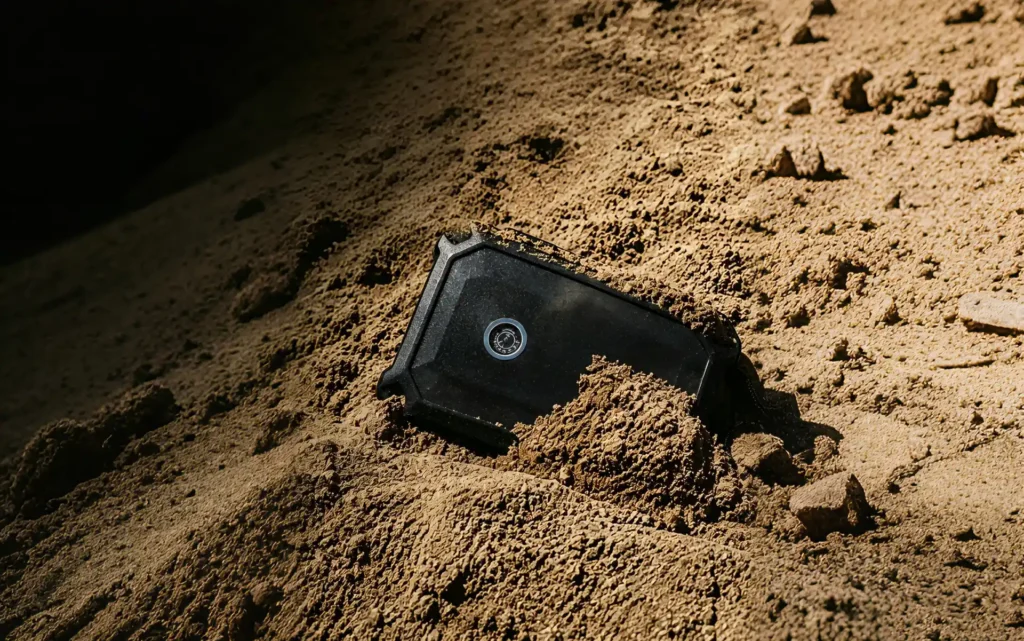
You land, reach for the case, flick the latch — and the lid will not move. The case is not broken, and you have not ruined the seal. A travel humidor that is hard to open after a flight is usually working exactly as designed.
Why it happens
A sealed case closed at ground level goes up with cabin pressure dropping to the equivalent of about 8,000 feet. The air inside the case stays at the pressure it was sealed at, so the outside pressure becomes lower than the inside — the lid is being pushed outward, and the latches are holding that force.
The area matters more than the pressure difference. On a 5-cigar case the lid is roughly 5 by 9 inches, about 45 square inches. A pressure difference of a few pounds per square inch across that area adds up to a lid that feels glued shut. It is not suction, it is the gasket doing its job: airtight means airtight in both directions.
What not to do
- Do not pry it with a knife, screwdriver or key. That is how gaskets get nicked and latches get bent. A nicked gasket is the start of a case that no longer holds humidity.
- Do not stab or drill a hole to “release the pressure”. You would trade a stuck lid for a case that leaks.
- Do not force the latch with a tool. The latch is plastic or stainless; the hinge pin is the weak point, not the lid.
How to open it in about ten seconds
- Press the lid down with the flat of your hand, right above or beside the latches. You are compressing the gasket slightly to break the seal.
- Squeeze the case — hands on the two long sides, push inward. A thin ABS shell bows a little, and that is enough to let air slip past the gasket.
- Flick one latch while still pressing. One corner releasing is all you need; the second latch follows.
- If it still holds, put the case between your knees and squeeze while lifting the lid edge with your fingertips — no tools.
After the first flight, this becomes automatic: press, squeeze, flick.
How to stop it happening in the first place
- Do not overpack. If the foam is compressed and the lid needs force to close, the gasket is already under load before the pressure changes. Ten cigars means ten; the eleventh is what makes the latch fight you.
- Keep the gasket clean. Sand, ash and dried humidity solution make the rubber stick. Wipe it after a beach or golf trip.
- Close it at the airport, not at home. A case sealed at sea level on the coast and opened at 8,000 feet in Denver will feel tighter than one sealed at altitude. It is not a defect, just physics.
- Expect it more on a full case. More cigars, less air volume, and the foam is pressing the lid up.
When it is actually a problem
If the case is hard to open on the ground, at home, with no flight involved, that is not pressure — it is a gasket that has swollen, a latch that is misaligned, or foam that is too thick for the lid. Those are worth a warranty conversation.
The other red flag is the opposite: a case that opens too easily and stops holding humidity. A gasket that has hardened or torn lets air move both ways, and that is when cigars dry out on a trip.
Which cases handle this best
Any airtight case will do this; the difference is how much force the latch and hinge take. The 5-cigar Flagship and the 10-cigar T10 both use stainless steel hinges and reinforced clasps, so the press-and-squeeze method works without stressing the hardware.
If you are packing for a flight, the travel humidor TSA rules cover what goes in the cabin, and the complete guide to travel humidors covers humidity for longer trips.
Frequently asked questions
Is my travel humidor broken if it will not open after a flight?
Almost never. The pressure difference between the cabin and the sealed case is holding the lid. Press the lid down, squeeze the case sides and flick one latch; it will open.
Can I fly with the case open to avoid this?
No — an open case does not hold humidity, and the latch is designed to be closed. The pressure equalises within seconds of opening, so there is nothing to prevent.
Will this damage the seal over time?
Not if you open it by pressing and squeezing. Prying with tools is what damages gaskets and hinges.
Does checking the case in a suitcase make it worse?
Cargo holds are pressurised and get cold, which makes the gasket stiffer. The lid can feel tighter after a checked flight, but the same method works.